


DNA Motoring Aluminum Radiator
We designed our aluminum radiator to deliver superior cooling performance for enthusiasts who demand reliability under demanding conditions. Whether you're pushing your engine on the track or navigating stop-and-go traffic, this radiator provides enhanced heat dissipation compared to stock units.
Crafted from high-grade aluminum with brazed core construction, our radiator features wider cooling tubes and increased fin density for maximum thermal efficiency. Every unit undergoes pressure testing before shipping to ensure leak-free operation from day one.
Radiator specifications & compatibility
All-Aluminum Construction & Core Design
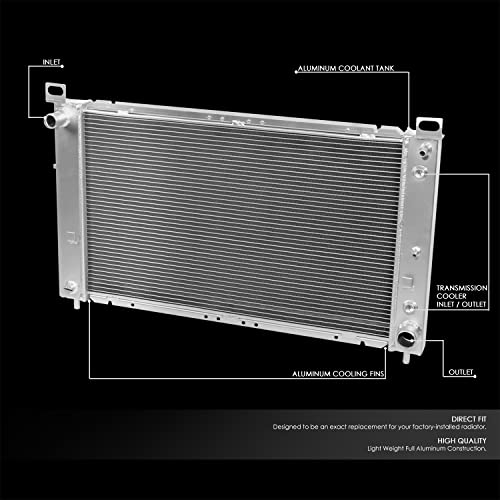
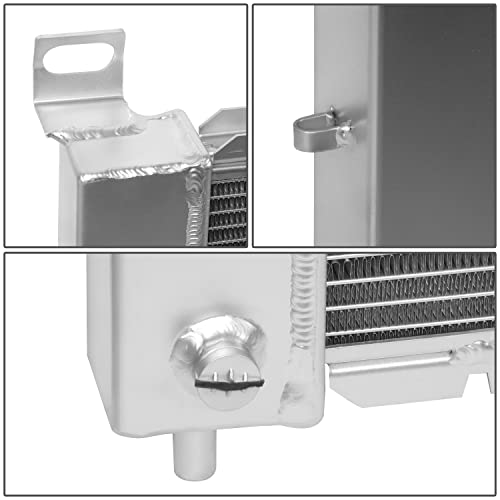
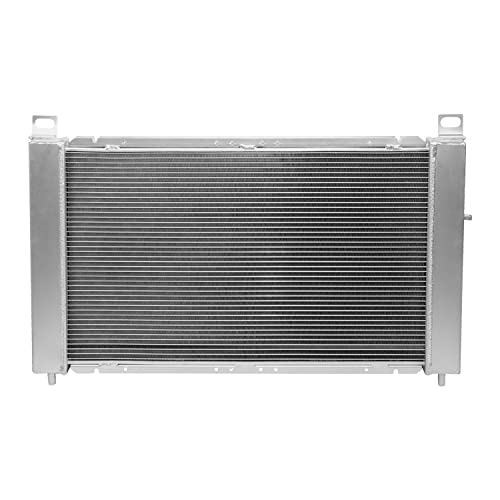
Our radiator core utilizes aircraft-grade aluminum throughout, from the brazed tubes to the precision-formed cooling fins. This material choice delivers multiple advantages over traditional copper-brass designs.
Aluminum’s thermal conductivity allows heat to transfer rapidly from coolant to fins, while the metal’s lighter weight reduces stress on mounting points. The brazed core construction creates permanent bonds between tubes and tanks, eliminating the weak points found in crimped or plastic-tanked radiators. We engineered wider coolant passages within the core to increase flow velocity and reduce hot spots that can lead to localized boiling.
Direct-Fit Installation Process
We maintain exact OEM mounting dimensions so our radiator drops into your factory location without cutting, welding, or custom brackets. All mounting tabs, bolt holes, and hose connections align with your existing setup.
The installation process typically takes 1-2 hours with basic hand tools. Drain your existing coolant, disconnect upper and lower hoses, remove transmission cooler lines if equipped, unbolt the factory radiator, and reverse the process with our unit. We include mounting hardware sized to match your vehicle’s specific fastener requirements.
Enhanced Cooling Capacity & Performance
The core thickness on our aluminum radiator measures 25-40% greater than most stock units, translating directly to increased coolant volume and longer heat absorption before temperatures rise. This extra capacity proves essential during sustained high-load situations.
Increased fin density across the core surface area captures more airflow passing through the front grille. Each fin is stamped with louvers that create turbulence in the air stream, breaking up the boundary layer and improving thermal transfer efficiency. The combination of greater coolant volume and enhanced fin design can lower operating temperatures by 10-20°F compared to worn factory radiators.
More Cooling & Performance Accessories


Rated 4.8 by verified buyers

Common Questions About Our Aluminum Radiator
Our aluminum radiators are designed as direct bolt-on replacements for specific year, make, and model combinations. All mounting points, hose connections, and overall dimensions match factory specifications.
Verify your vehicle's year, engine size, and transmission type before ordering to ensure proper application fitment. If your listing shows compatibility with your exact vehicle configuration, no cutting or custom brackets will be required.
Use ethylene glycol or propylene glycol-based antifreeze mixed 50/50 with distilled water. Avoid using straight antifreeze or tap water, both of which can cause problems.
Distilled water prevents mineral deposits that reduce heat transfer over time. Most modern coolants include corrosion inhibitors formulated for aluminum, but avoid coolants marketed specifically for older vehicles with copper-brass radiators, as their additive packages may not protect aluminum adequately.
Temperature reductions vary based on your current radiator's condition and your driving conditions. Most customers report 10-20°F lower operating temperatures compared to worn factory radiators.
The greatest improvements occur during high-load situations like towing, stop-and-go traffic, or performance driving. If your existing radiator is functioning well, gains will be modest. If your current radiator has internal blockages or external damage, you'll see more dramatic cooling improvements.
We stand behind our aluminum radiators with comprehensive warranty coverage against manufacturing defects. The warranty covers leaks, tank separation, and core failure under normal operating conditions.
Damage from improper installation, coolant contamination, physical impact, or excessive pressure is not covered. Keep your purchase receipt and installation documentation in case you need to file a claim. Most issues surface within the first few heat cycles if a defect exists.
Yes, our aluminum radiators are excellent choices for forced induction applications due to their enhanced cooling capacity. The increased core thickness and improved fin design handle the extra heat generated by boosted engines.
Many customers install our radiators specifically for turbocharged or supercharged builds. Consider pairing the radiator with upgraded silicone hoses and a high-pressure radiator cap for maximum reliability under boost pressure and elevated temperatures.
Check whether your vehicle has an automatic or manual transmission. Automatic transmission vehicles require radiators with integrated transmission cooler fittings to circulate fluid through the radiator's built-in cooler section.
Manual transmission vehicles don't have transmission cooler lines running to the radiator. Our product listings specify whether each radiator includes transmission cooler fittings, and many dna motoring aluminum radiator reviews mention transmission cooler compatibility for automatic applications.
You'll need basic hand tools including socket sets (metric or SAE depending on your vehicle), screwdrivers, pliers, and a drain pan for coolant. A funnel helps during refilling.
Installation typically takes 1-2 hours for DIY mechanics. You'll drain the old coolant, disconnect hoses and transmission lines if equipped, remove mounting bolts, lift out the old radiator, position the new unit, reconnect everything, and refill with fresh coolant. A repair manual for your specific vehicle provides torque specifications and detailed procedures.